











Nobody wants your product. They want the outcome.
A customer does not want the drill. They want the hole, then the mounted TV, then the feeling of a finished room. Design for the job, not the feature.
اقرأ هذه المقالة بالعربيةNobody wakes up wanting your product. They want what it does for them, and the products that forget this do not just underperform, they die. When CB Insights studied 431 startups that shut down, poor product-market fit was the second most common cause of death at 43 percent, behind only running out of money. Two-thirds of those companies never found a market at all. They built something. Nobody wanted it.
I have shipped products to more than two million people across Branders and Zain Cash, and the ones that worked all started in the same place. Not a feature. A job the person was already trying to get done. A customer does not want a quarter-inch drill. They want a quarter-inch hole. But it goes further than that, and the distance is where the value lives.
Key takeaways
- People do not buy products. They hire them to make progress on a job, then quietly fire the ones that do not deliver the outcome.
- Poor product-market fit kills 43 percent of failed startups, and two-thirds of those never found a market (CB Insights, 2024).
- You design four layers deep: the product, the function it performs, the goal it serves, and under all of it, the feeling.
- Name the feeling in your copy, and cut the steps between the person and their outcome, even the clever ones.
- Measure whether people reach the outcome, not whether they touched the button.
What do customers actually want?
Not the product, and usually not even its direct function. They want the outcome it unlocks and, under that, how they will feel once it is done. The old line still holds. A customer does not want a quarter-inch drill, they want a quarter-inch hole. But they do not really want the hole either. They want the television mounted on the wall, and under that, the feeling of walking into a room that is finally finished and theirs.
So you are designing four layers deep. The product is the drill. The function is the hole. The goal is the mounted TV. The real want is the feeling. Most teams stop at layer one, ship a longer feature list, and wonder why it moves no one.
Why do so many products miss the job?
Because building features is concrete and understanding jobs is not, so teams default to the work they can see. The failure data shows the cost. In the CB Insights study, the startups that died of poor product-market fit were not short on features. They were short on a reason for anyone to care. A longer spec sheet cannot rescue a product nobody was trying to hire.
Clayton Christensen, the Harvard professor who shaped jobs-to-be-done thinking, told the story of a chain trying to sell more milkshakes. New flavors and bigger cups did nothing. The breakthrough came when they asked what job the milkshake was hired for. A long, dull morning commute, and one free hand on the wheel. Once they saw the job, the fix was obvious. The feature work had been aimed at the wrong target the whole time.
How do you design for the job, not the feature?
Start from the feeling and work back to the feature. That single move changes what you build and how you say it. When you write the headline, name the feeling, not the spec. When you design the flow, remove the steps that stand between the person and their outcome, even the clever steps you are proud of. The user did not come to admire your interface. They came to get on with their life.
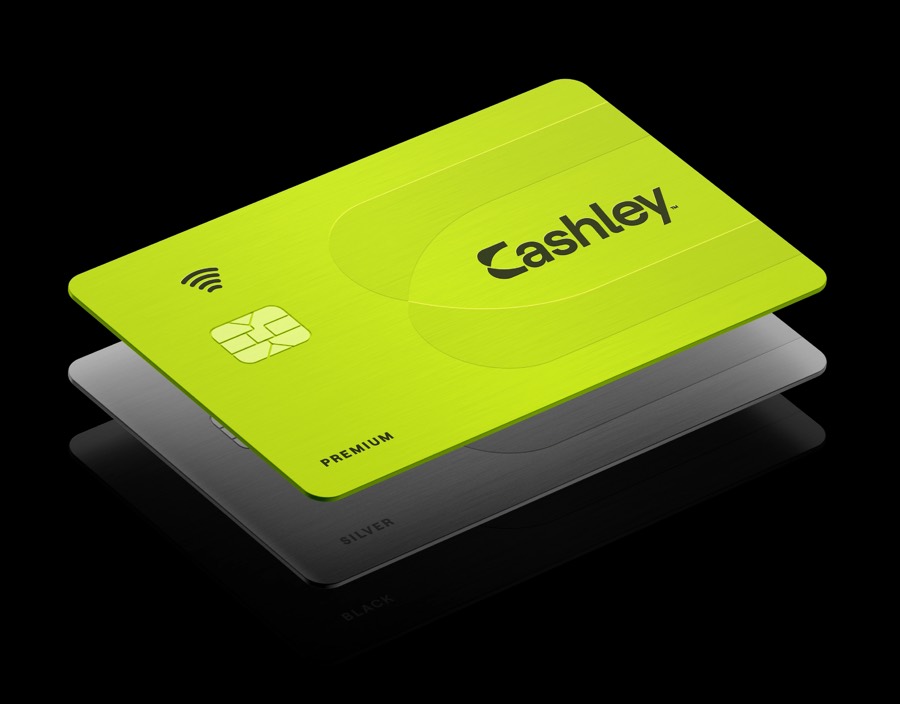
On the Zain Cash redesign, the job was rarely browse a finance website. It was get my card, or understand if this works for me, fast, usually on a phone, often in Arabic. So the page led with the card and the outcome, not the company history. You can see how that played out in the full case study below.
What should you measure?
Whether people reach the outcome, not whether they touched a button. A feature can ship, light up your dashboard, and still fail the job. Clicks tell you something moved. They do not tell you anyone got what they came for. So instrument the outcome, the mounted-TV moment, and treat everything before it as a step that either helps or gets in the way.
At Zain Cash the number that mattered was not visits. It was whether someone could find a card and request it without friction, because that was the job they hired the page to do. When you measure the outcome, the roadmap reorders itself. The steps that do not move it start to look like what they are. Decoration.
The one-sentence test that keeps you honest
For anything you are about to build, finish this sentence from the user’s side. I am doing this so that I can feel _____. If you cannot fill the blank, you are designing the drill and hoping someone needs a hole. Start from the feeling and work back. The product gets simpler and the value gets obvious.
This is the lens behind most of the work I am proud of. If it is how you want your next product shaped, tell me what you are building. Or read the books that taught me to think this way, linked below.
FAQ
What does jobs to be done mean?
It is the idea that people hire a product to make progress on a job in their life. They do not want the product itself, they want the outcome and the feeling it delivers, so you design for that job rather than the feature list.
What do customers really want?
Not the product, and usually not even its direct function. They want the end goal it unlocks and, under that, how they will feel once it is done. Design and messaging should name that feeling.
How do I design for outcomes instead of features?
For each thing you build, finish the sentence I am doing this so that I can feel blank from the user’s side. Remove steps between the person and that outcome, and measure whether they reach it, not whether they clicked.